
UNDERSTANDING YOUR CONCERN
Plantar heel pain: start with the whole picture.
Plantar fasciitis is one possible cause of pain beneath the heel or arch. Symptoms can be more noticeable after rest and with prolonged standing, walking or running. Other causes of heel pain exist, so these patterns are useful information for an assessment rather than a diagnosis on their own.
What you may want to discuss
Select a topic to learn more.
Heel or arch discomfort after rest
Note whether symptoms are strongest with the first steps in the morning or after sitting, and how they change as you move. This pattern informs assessment but does not by itself establish plantar fasciitis.
Pain with longer periods on your feet
Describe the duration of standing or walking, your footwear and opportunities for breaks. A plan may consider practical adjustments and exercises that fit the actual demands of your work or day.
Difficulty returning to walking or running
Tell your practitioner your current walking or running tolerance and what you want to return to. The starting point and progression should reflect your assessment and response rather than a fixed timetable.
Recurring symptoms as activity increases
Bring a picture of recent changes in distance, intensity or time on your feet. Recurrent symptoms are a reason to review the plan, including relevant strength, activity demands and any need for further medical assessment.
YOUR ASSESSMENT
What your assessment involves
Your practitioner asks about footwear, time spent on your feet, activity changes and your health history. Assessment can explore relevant foot and ankle movement, strength and the demands of your daily routine. Mention altered sensation, diabetes or a recent injury, as these may change the advice or need for medical assessment.
RECOVERY & MOVEMENT
Rehabilitation and return to activity
A plan may include education, activity adjustments and exercises selected for your findings. For some persistent tendon or soft-tissue presentations, shockwave may be discussed as one option within rehabilitation after suitability screening. Treatment is never selected just because a symptom appears on a website list.
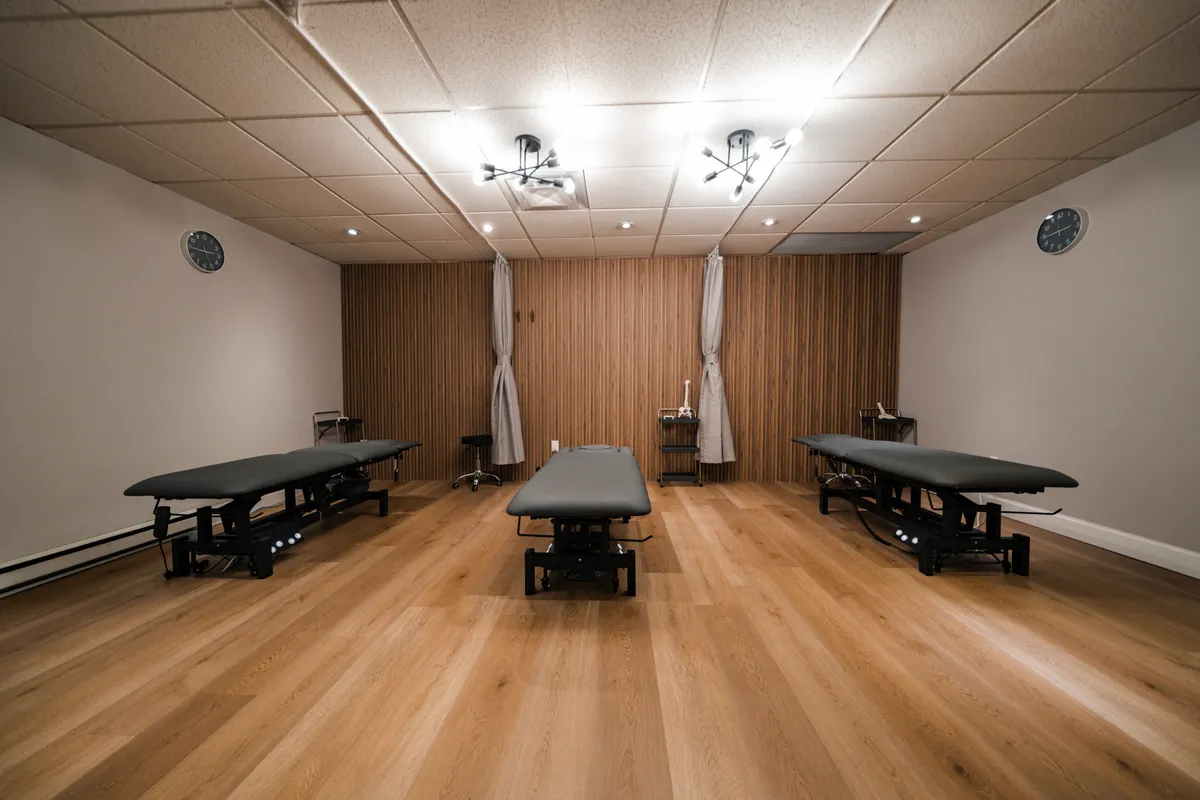
At our Bridgeland clinic and private training space, we connect care with the movements you want to return to. You can ask questions, discuss preferences and make decisions with your practitioner. If a different type of care is needed, we’ll explain the next step.
When medical advice comes first
Get medical advice for severe or worsening foot pain, pain that keeps returning or limits normal activity, or tingling or loss of feeling. Foot pain in someone with diabetes should also be assessed by a medical professional.
QUESTIONS YOU MAY HAVE
Common questions about plantar heel pain
Is all heel pain plantar fasciitis?
No. Heel pain can have different causes. Your symptoms, history and examination help guide the assessment and next steps.
Do I need shockwave therapy?
Not automatically. Your practitioner will discuss whether it is suitable and how it might fit with other rehabilitation options. You can ask about benefits, risks and alternatives.
Can I keep walking or running?
The right level of activity depends on your symptoms and assessment. Long periods of standing, walking or running may need adjustment while you work through a plan.
Will I need a fixed package of sessions?
Recommendations are individual. We can discuss a starting plan and reassess your response rather than promising the same number of treatments for everyone.
Further reading
General information, not a personal diagnosis. These public patient resources informed the general symptom and medical-advice sections.