
HEALTH + PERFORMANCE · BRIDGELAND, CALGARYDirect billing available
REVIVELAB logoBook now
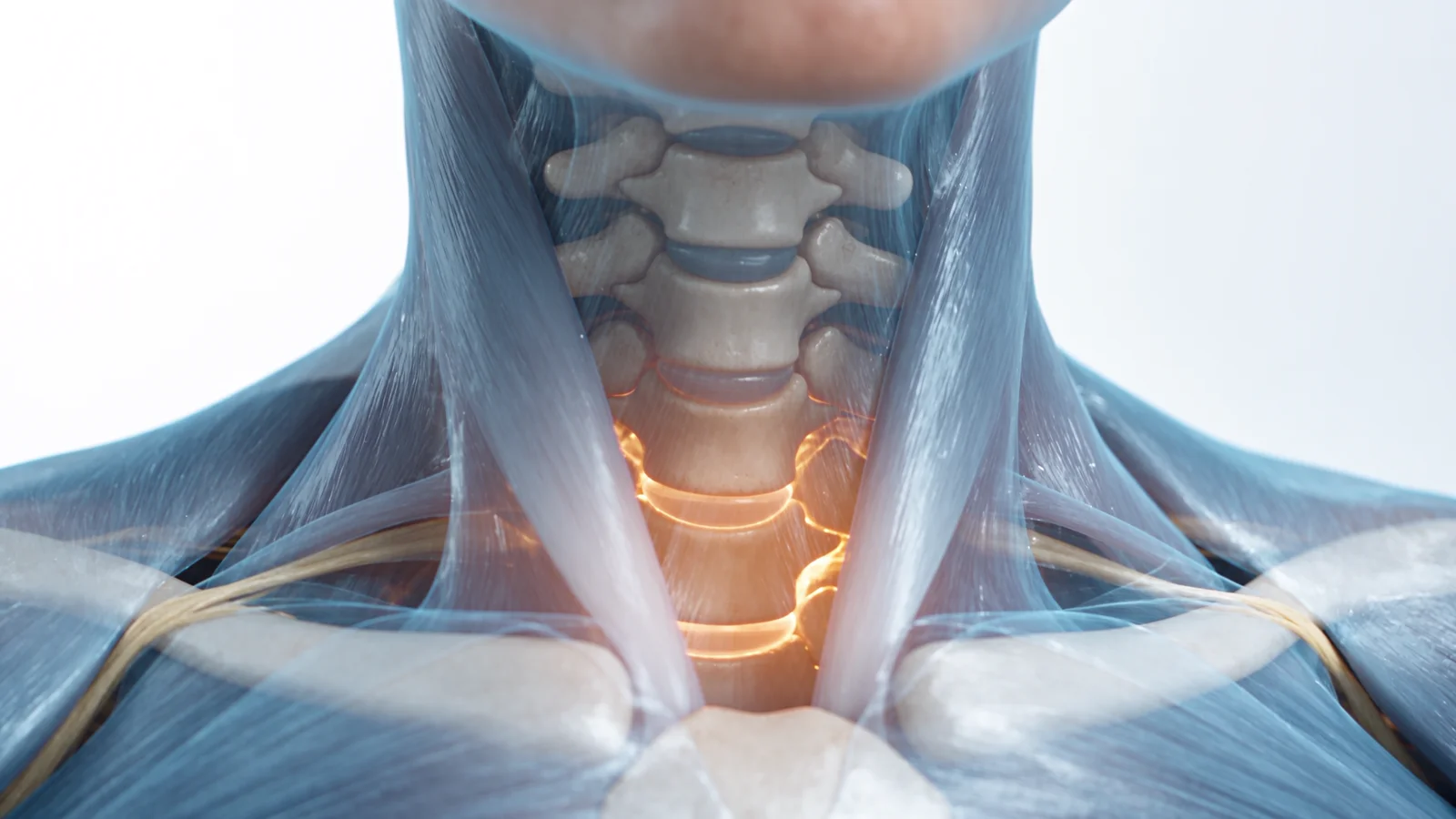
Cinematic anatomy illustration

BRIDGELAND, CALGARY

Let’s start with
what’s bothering you.

Explore pain and injury care at REVIVELAB. Scroll through the body, or choose an area below.

Search all concerns ↓
EXPLORE YOUR CARENECK
Turning, looking up and everyday comfort
Scroll to explore the body ↓

Looking for a specific condition?

Browse the full list of symptoms, diagnoses and rehabilitation concerns across 15 sections.

Full symptoms & conditions directory

29 concerns across six categories

Select a concern to learn more and explore services that may help. The right approach depends on your assessment.

Head, Neck & Jaw

Headaches

Headaches can have different causes. Some occur alongside neck pain, restricted movement or muscle tension, but not every headache starts in the neck.

Depending on the headache type and assessment, physiotherapy, chiropractic care or massage therapy may be considered for associated neck or muscle symptoms. Your practitioner can explain suitable options and when medical assessment should come first.

Learn more

Jaw Pain

Jaw pain can involve the jaw joint, nearby muscles or other causes. Tell a clinician or dentist about pain with chewing, clicking, locking or a change in how your mouth opens. A symptom alone does not confirm a temporomandibular disorder.

A suitable assessment can help determine whether movement-focused care is appropriate or whether dental or other medical care should come first. Call the clinic to discuss the right practitioner for your concern.

Learn more
Services that may help:

Neck Pain

Neck pain may relate to an injury, prolonged positions or several other factors. Some people notice stiffness; others have symptoms around the shoulder or into an arm. Those experiences need to be considered together rather than assuming every sore neck has the same cause.

Learn more

Whiplash

Whiplash is a neck injury associated with a sudden movement of the head, often after an accident. Neck stiffness, pain and symptoms around the shoulders can occur, but your individual symptoms and the event need assessment.

Tell your practitioner about medical advice already received and any new neurological symptoms. Rehabilitation is based on the findings and your stage of recovery, rather than assuming the same treatment is appropriate after every collision.

Learn more

Shoulder, Arm & Hand

Shoulder Pain

Shoulder symptoms can have different causes. Pain, stiffness, weakness or changes in movement do not establish a diagnosis on their own. An assessment helps distinguish what needs further medical attention and what may be addressed through a rehabilitation plan.

Learn more

Tennis and Golfer's Elbow

These names describe common tendon-related pain patterns around the elbow, often noticed with gripping or wrist use. Tennis elbow is associated with the outer elbow and golfer’s elbow with the inner side; you do not need to play either sport to have symptoms.

Assessment considers the task, symptom pattern and relevant strength. Exercise and changes to repetitive demands may be discussed, with additional techniques chosen according to your findings and preferences.

Learn more

Rotator Cuff Injuries

The rotator cuff is a group of muscles and tendons involved in shoulder movement and control. Calcific tendinopathy refers to calcium deposits within a tendon. Shoulder pain alone does not identify which structure is involved or establish either diagnosis.

Your clinician considers the symptoms, movement and any available medical findings. Exercise, activity guidance and additional treatments may be discussed where appropriate; the goal and suitability of each option should be clear.

Learn more

Wrist and Hand Pain

Wrist and hand symptoms may involve pain, stiffness, swelling, altered sensation or a weaker grip. Tell your practitioner exactly where you notice them, whether they followed a fall or developed during repeated tasks, and which fingers are affected if there is tingling.

A clinical assessment helps determine whether rehabilitation is suitable or medical investigation should come first. A website description cannot distinguish a tendon concern, nerve-related symptoms or an injury to a bone or joint.

Learn more

Back & Hip

Lower Back Pain

Lower back pain can have several contributing factors, and a single cause is not always clear. Symptoms may settle, persist or return. The way pain behaves, your health history and a physical assessment all help guide appropriate next steps.

Learn more

Hip Pain

Tell us where you feel the discomfort: at the front of the hip or groin, along the outside, or around the buttock. Also tell us what brings it on, whether that is getting out of a chair, climbing stairs, lying on your side or returning to the gym. These details help guide the conversation; location alone does not identify the cause.

You do not need to arrive with a diagnosis. At REVIVELAB in Bridgeland, a physiotherapy appointment is one way to discuss your hip symptoms, relevant health history and the activities you want to get back to.

Learn more
Services that may help:

Sciatica and Leg Pain

Pain travelling from the back or buttock into a leg may occur with altered sensation or other symptoms. Sciatica is one possible explanation; not all leg pain comes from the same structure.

Your assessment considers the symptom pattern, movement and relevant strength or sensation. New bladder or bowel changes, groin numbness or weakness in both legs with back pain need emergency medical attention.

Learn more

Knee, Ankle & Foot

Knee Pain

A sore knee after a twist is a different starting point from discomfort that has gradually appeared with running or kneeling at work. Describe how it began, where you feel it and whether you have noticed swelling, locking or a feeling that the knee might give way. Avoid assuming that every painful knee is “runner’s knee”.

At REVIVELAB in Bridgeland, physiotherapy offers a place to discuss your symptoms and work toward a practical rehabilitation plan when appropriate. You can also ask whether medical assessment should come before your appointment.

Learn more
Services that may help:

Shin Splints

Shin splints is a term commonly used for exercise-related pain along the shin. A change in running, jumping or training can be relevant, but persistent or sharply localized pain should be assessed rather than assumed to be routine soreness.

Tell your practitioner about training changes, the location of pain and any difficulty walking. The plan may consider activity adjustments and a gradual return once an appropriate starting point is established.

Learn more

Plantar Heel Pain

Plantar fasciitis is one possible cause of pain beneath the heel or arch. Symptoms can be more noticeable after rest and with prolonged standing, walking or running. Other causes of heel pain exist, so these patterns are useful information for an assessment rather than a diagnosis on their own.

Learn more

Runner's Knee

Runner’s knee is a commonly used label for knee pain associated with running, often around the kneecap. It is not a diagnosis for every painful knee. Location, swelling, changes in training and the way symptoms behave are important.

Assessment can explore the knee and the demands of your run. Rehabilitation may include appropriate strength work and training adjustments, with progression guided by your response rather than a fixed return date.

Learn more

Achilles Tendon Pain

The Achilles tendon connects the calf muscles to the heel. Pain or stiffness around it may be noticeable with walking, running or calf-loading activities. A clinical assessment helps distinguish tendon-related symptoms from other problems.

The plan may consider training changes and progressive loading. A sudden pop, significant new weakness or difficulty pushing off after an injury calls for prompt medical assessment rather than continuing to train.

Learn more

Ankle Sprains

A strain involves a muscle or tendon; a sprain involves a ligament around a joint. Overuse concerns describe symptoms associated with repeated activity, but the exact problem still needs assessment.

The next step depends on how the injury happened, its severity and what you can currently do. Rehabilitation can work toward movement, strength and the demands of your activity. Massage or another technique is considered according to the stage and findings.

Learn more

Activity & Injury Recovery

Running Injuries

Running-related concerns may involve the knee, shin, Achilles tendon, heel or other areas. The location of pain alone does not tell the whole story. Changes in training, recovery, previous injuries and symptoms during and after activity are useful parts of the assessment.

Learn more

Sports Injuries

Sport-related concerns need to be understood in the context of the sport: the movements, training schedule, recent changes and demands of competition. Your goal may be participation, confidence or a return to a previous level.

Tell your practitioner what happens during activity and afterwards. Care can bring together symptom assessment, appropriate exercise and a staged return to those demands, with communication between practitioners or coaches when appropriate and with your consent.

Learn more

Motor Vehicle Accident Injuries

After a collision, neck, back or other symptoms may need medical assessment before rehabilitation begins. Share the details of the accident, symptoms, previous assessment and any instructions you have been given.

The next step depends on the injury and its impact on daily function. Contact the clinic to discuss appropriate care and confirm appointment or insurer paperwork requirements; a website listing does not establish coverage.

Learn more

Persistent or Recurring Pain

Persistent or recurring pain can affect work, sleep, exercise and confidence with movement. It does not always follow a straightforward pattern. Tell your clinician how the symptoms have changed, what investigations or treatment you have had and what has been helpful or difficult.

A new assessment should consider your health history and current symptoms rather than assume the same explanation still applies. New or unexplained changes may need medical review before a rehabilitation plan is chosen.

Learn more

Golf Injuries

Golf combines repeated swings, walking and sometimes long practice sessions. Tell your practitioner whether discomfort happens during the swing, after a round or with another activity, and mention recent changes in practice or equipment.

The assessment can consider relevant movement and strength alongside your symptoms. Treatment and exercise choices are discussed around a return to comfortable participation; a massage session alone cannot guarantee a change to your swing or score.

Learn more

Post-Surgical Rehabilitation

Recovery after surgery depends on the operation, the stage of healing and the instructions from your surgical team. Bring your procedure details, restrictions and any rehabilitation guidance to the assessment.

Your practitioner can discuss movement, strength and daily activities within that guidance. Pelvic or abdominal surgery may also raise questions about comfort, bladder or bowel symptoms and returning to exercise, which can be discussed privately with the appropriate clinician.

Learn more
Services that may help:

Pelvic Health

Pelvic Floor Dysfunction

Pelvic health concerns can involve support, bladder or bowel control, pain or how the pelvic floor coordinates during activity. Similar symptoms can have different contributing factors, so assessment comes before choosing exercises.

Melissa offers pelvic health physiotherapy for women, with attention to comfort and consent. You can discuss symptoms privately, ask about assessment options and decline an internal examination while still exploring other appropriate care.

Learn more
Services that may help:

Pregnancy & Postpartum Rehabilitation

Pregnancy and the time after birth can change how everyday tasks, exercise and pelvic symptoms feel. Your priorities may be walking comfortably, lifting your baby, managing leakage or returning to a favourite activity. Explain which matters most right now.

Share your stage of pregnancy or recovery, birth or surgical history and any guidance from your maternity team. Symptoms such as pelvic pain, heaviness and abdominal separation need individual discussion rather than an automatic return-to-exercise timetable.

Learn more
Services that may help:

Pelvic Pain

Pelvic pain may occur during daily activity, sexual activity, bladder or bowel function, or at other times. These patterns can have different causes. Explain what you notice and how it affects you; you do not need to arrive with a diagnosis or share more than you feel ready to discuss.

Persistent or unexplained pelvic pain needs medical assessment. Physiotherapy may be part of care where appropriate, but it does not replace investigation of a new or acute pelvic problem. Severe or worsening pain, fainting or heavy bleeding needs emergency assessment.

Learn more
Services that may help:

Urinary Incontinence

Urinary incontinence means accidental leakage of urine. It is different from bowel incontinence, which involves stool. Leakage with effort or a cough and leakage with a sudden urge are different patterns; tell your clinician when it happens and whether you have other bladder symptoms.

A bladder concern deserves assessment rather than being accepted as an unavoidable part of childbirth or ageing. Medical review may be needed alongside pelvic health physiotherapy, depending on the symptoms and their cause.

Learn more
Services that may help:

You don’t need a diagnosis to start.

Tell us what you’re experiencing and what it prevents you from doing. Your practitioner will assess your concerns and discuss a plan suited to you.

WE’RE HERE TO HELP

Let’s talk about how you’re feeling.

You don’t need to have it all figured out before you book. Tell us what’s bothering you, and we’ll start there.

Book an appointment Or call 403 235 0535
Call the clinicBook an appointment